

Most students don’t think twice about where their heat or electricity comes from, but Europe has spent the past three years relearning the lesson the hard way. When Russia invaded Ukraine in 2022, European countries made a bold and moral choice: they cut off the cheap natural gas they had relied on for decades. The move was meant to punish Moscow and stand with Ukraine – but it also triggered one of the biggest energy shake-ups in modern history.
Before the war, Russia supplied about 40% of the European Union’s gas. Countries like Germany and Italy had built their industrial systems around predictable, low-cost fuel from Russian pipelines. Turning off that tap forced Europe into the fastest energy pivot it had ever attempted. Imports from Russia fell by more than 80%, replaced mostly by liquefied natural gas, or LNG, from the United States, Norway, and Qatar. Germany rushed to build five LNG terminals in under 18 months, storage hit record highs, and Europe avoided a full recession. Still, energy prices remain 30-40% higher than before the war, and factories that relied on cheap gas are now struggling to stay competitive.
To stabilize the system, the EU launched REPowerEU, a €300 billion plan to expand renewables and speed up the move away from fossil fuels. Solar power hit record highs in 2025, rising 27% in a single year. New pipelines from North Africa and hydrogen networks across southern Europe are underway. A full ban on Russian gas is planned for 2027. On paper Europe is becoming greener. In reality, the transition has exposed deep weaknesses. Wind expansion has slowed due to supply-chain issues, subsidies are being cut back as governments face budget pressure, and energy poverty – people unable to afford basic heating – has risen 15% since 2021.
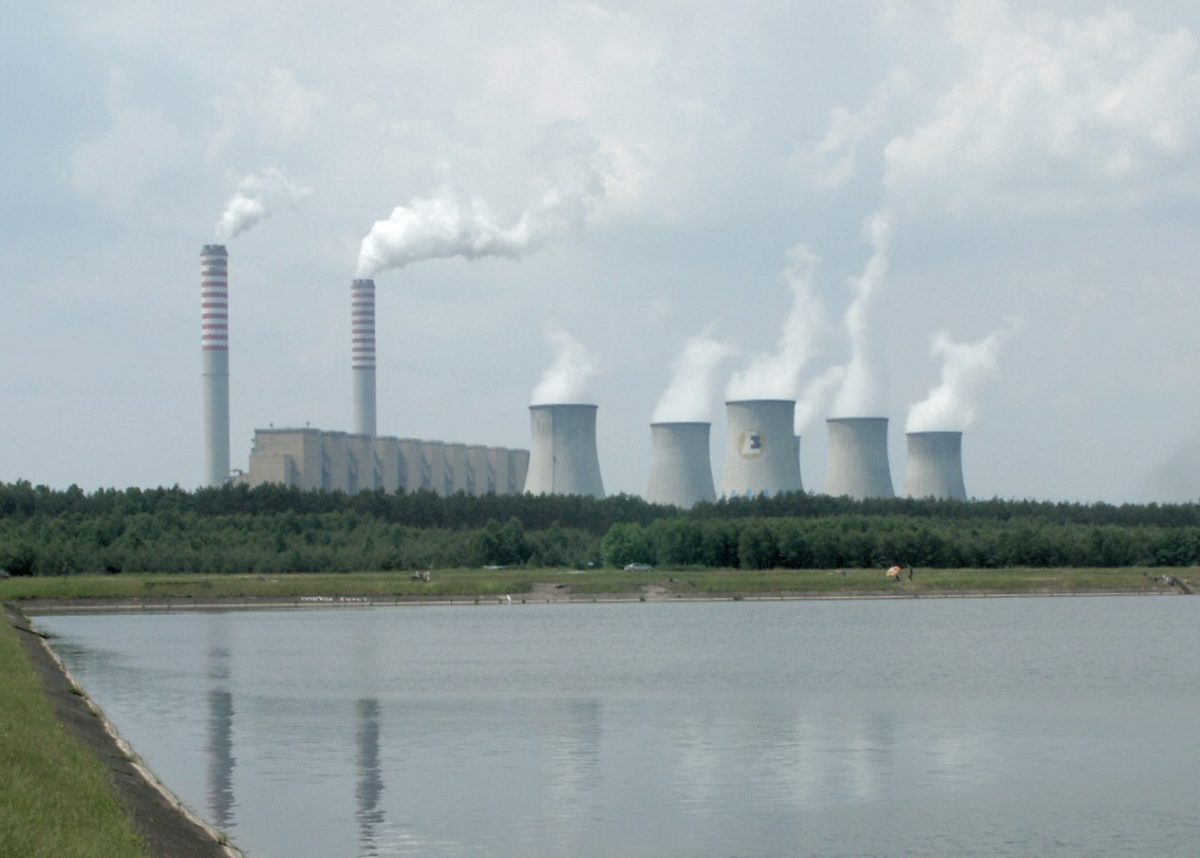
Europe’s climate reputation has also suffered. Some countries temporarily reopened coal plants to make up for missing gas. Others continued importing Russian LNG indirectly through middlemen, even while condemning Moscow. One report found Europe spent more on Russian fossil fuels in 2024 than on aid to Ukraine, creating an uncomfortable contradiction for a region that champions climate action.
The economic hangover is real. The International Monetary Fund (IMF) estimates Europe lost around 1% of its GDP due to the energy shock. Germany’s chemical exports fell 11%, and some fertilizer producers moved operations to the US, where gas is cheaper. Political frustration is rising as well, fueling support for populist parties.
Now Europe faces a crucial question: can this painful adjustment become a long-term advantage? Green hydrogen, smarter electrical grids, and more electrified heating could sharply reduce gas demand by the 2030s. But the transition is uneven – wealthier countries are advancing quickly, while southern and eastern Europe risk falling behind.
Cutting off Russian gas was a stand for sovereignty. The challenge now is proving that Europe can build an energy system strong enough to survive the next crisis – without the hangover lasting forever.