

Most countries have to choose between being rich and being green. Norway has spent fifty years trying to prove it could be both. With waterfalls powering 92% of its electricity and a $1.6 trillion sovereign wealth fund built from oil profits, the country has long sold itself as a rare success story. But as the world races toward a post-oil future, Norway is being forced to confront a question it has avoided for decades: can the world’s “cleanest oil nation” actually live without oil?
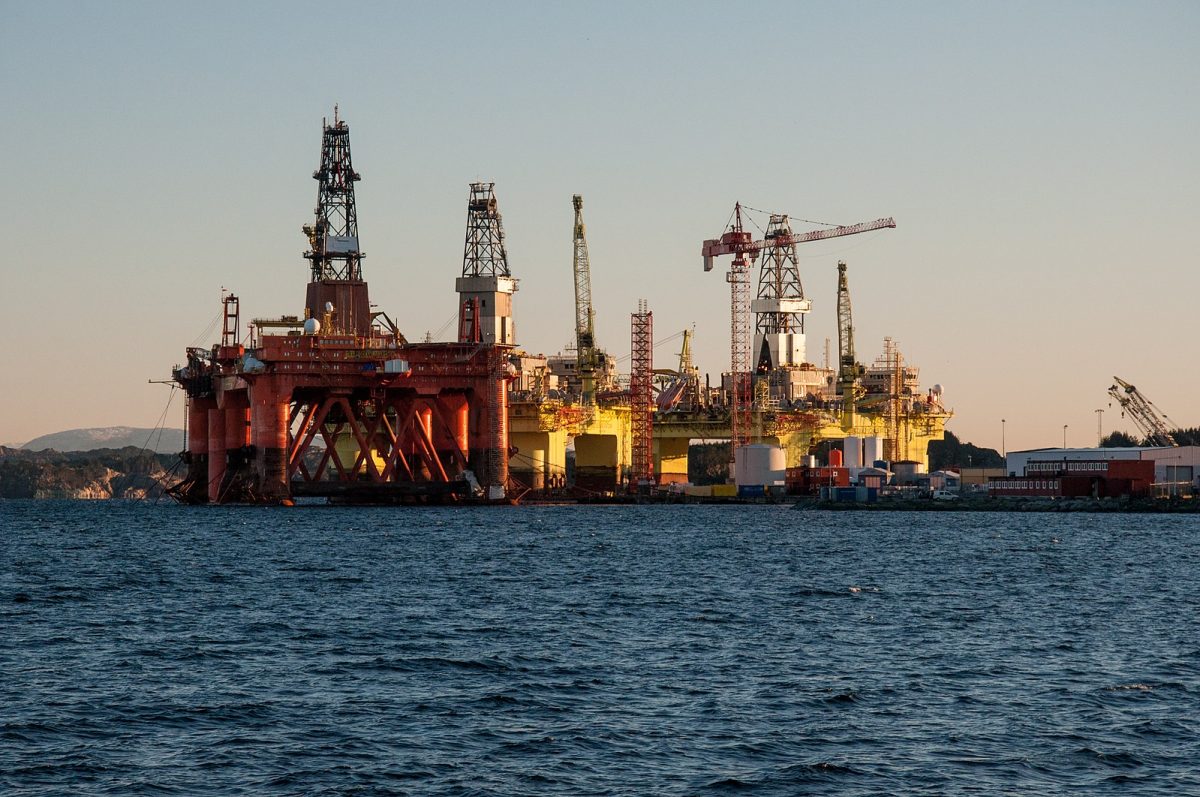
For now, petroleum still anchors the economy. Oil and gas make up around 40% of Norway’s exports, provide about one-third of government revenue, and support roughly 200,000 jobs. The wealth fund – Norway’s financial safety net – is built entirely from decades of offshore drilling. Even as the country champions climate action abroad, it remains one of the West’s largest fossil fuel exporters. A 2024 Guardian report highlights the contradiction, calling Norway both a “climate hero and villain.”
The government insists the transition is underway. Norway has pledged net-zero emissions by 2050, expanded offshore wind development, and invested in hydrogen and carbon capture. The Hywind Tampen floating wind project, the largest of its kind, is already operating. Yet at the same time, Equinor continues to explore new drilling sites in the Barents Sea, arguing that global energy security still depends on Norwegian oil. Critics say this dual strategy undermines the country’s “green credentials.”
Economically, the shift is complicated. Moving away from oil means reshaping a national identity built on petroleum wealth. Younger Norwegians push for a faster phase-out, while older workers worry that abandoning oil too quickly could weaken the welfare state it funded. Labor unions note that oil-sector workers cannot instantly switch to green-tech jobs, and entire industries—from shipping to engineering—quietly depend on fossil fuel activity.
The moral tension is just as sharp. Norway uses clean hydropower at home but exports billions in fossil fuels abroad – emissions that do not count toward its domestic footprint. The country funds rainforest protection and global climate aid, yet continues drilling that contributes to worldwide emissions. Many activists argue that outsourcing emissions is not the same as reducing them.
Global pressure is increasing too. After Europe cut Russian gas imports, Norway became the continent’s emergency supplier, earning record profits but reinforcing its dependence on oil and gas money. The more the country benefits from fossil fuel demand today, the harder its eventual transition may become.
And so Norway returns to the question at the heart of its modern identity. For decades, it relieved it could be the exception – a nation that enjoyed the rewards of oil without being defined by it. Now, standing at the edge of the post-oil era, Norway must prove that belief was real. The country that tried to be both rich and green must decide whether it can stay green when the oil finally runs out – or whether that balance was an illusion all along.