

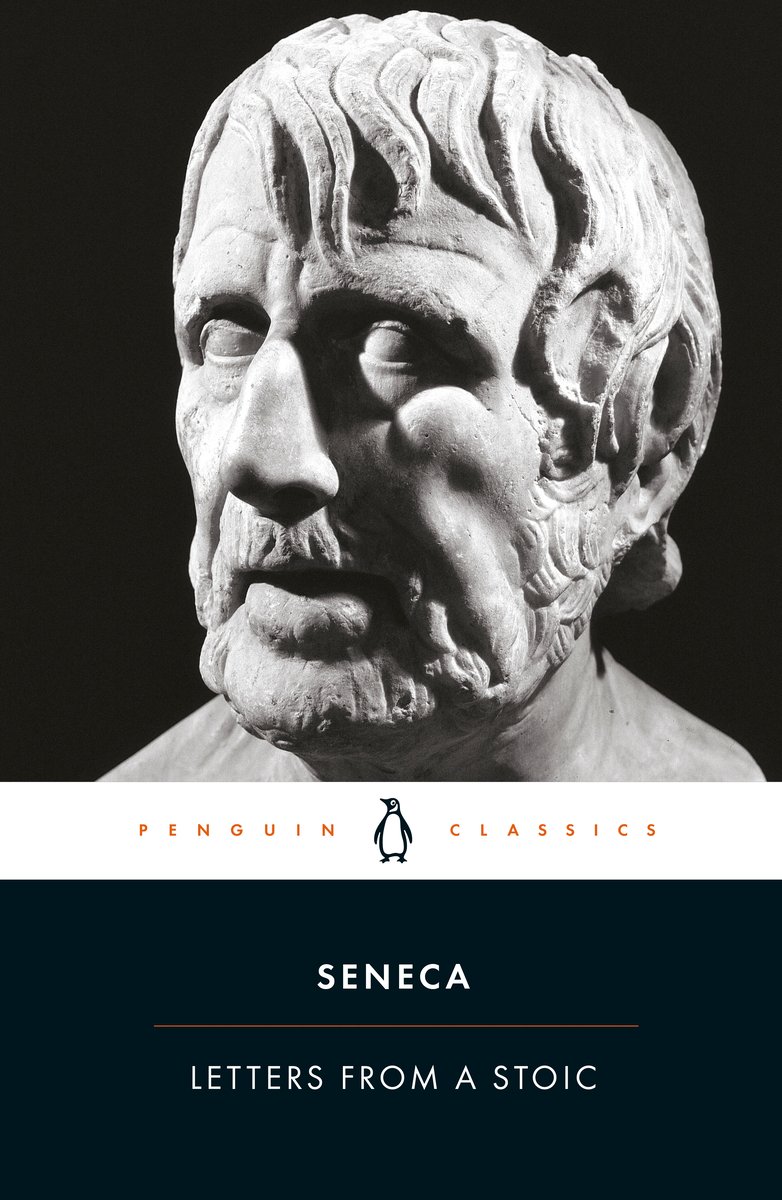
Most books about success or happiness are written by modern authors trying to explain how to live life better in today’s world. Letters from a Stoic, however, was written nearly two thousand years ago by a Roman philosopher named Seneca. Surprisingly, many of the ideas in this ancient collection of letters still feel relevant today, especially for students dealing with pressure, distraction, and the constant comparison that comes with modern life.
Seneca lived in ancient Rome during the first century AD. He was a Stoic philosopher, a writer, and even an advisor to the emperor Nero. The book Letters from a Stoic is a collection of letters Seneca wrote to a friend named Lucilius. In these letters, Seneca shares advice about how to think clearly, how to stay calm during difficult situations, and how to focus on what really matters in life.
One of the main ideas of the book is learning to control what you can ignore what you cannot. Seneca repeatedly reminds Lucilius that many of the things people worry about, reputation, wealth, or the opinions of others, are outside their control. Instead of wasting energy on these things, he argues that people should focus on improving their character and actions. This message is especially relevant in a time when social media and constant comparison can make it easy to worry how others see us.
Another major theme in the book is the value of time. Seneca famously argues that people guard their money carefully but waste their time without thinking. In one letter he writes “It is not that we have a short time to live, but that we waste much of it.” For students balancing school, activities, and distractions, this idea is strikingly modern. Seneca encourages readers to use their time intentionally and not let their lives be consumed by things that do not matter.
Seneca also contests the idea that wealth, popularity, or status bring happiness. Instead, he believes that a calm and disciplined mind is far more valuable than external success. Throughout the letters, he encourages Lucilius to focus on developing wisdom, resilience, and self-control. These lessons reflect the core ideas of Stoicism, a philosophy that teaches people to remain steady and thoughtful even during difficult circumstances.
Despite being written in ancient Rome, Letters from a Stoic does not feel outdated. The book reads more like practical advice than abstract philosophy, and many of the letters are short and direct. Because of this, it is an easy introduction to philosophical thinking for readers who may not normally pick up books about philosophy.
For students looking for a short but meaningful book, Letters from a Stoic is worth reading. Seneca’s reflections remind readers that although the world has changed dramatically over two thousand years, the challenges of being human, stress, ambition, fear, and distraction, remain the same. His advice offers a calm and thoughtful perspective that can still help readers think more clearly about their lives today.